Our vision · 우리가 가려는 곳
Keep the why, not only the what.
한국어로 읽기 ↓Master Vault began with a family recipe.
Ask how much malt goes into the sweet rice drink, and the answer is “enough.” Ask when to take it off the heat: “You’ll know when you see it.” That knowing is written down nowhere. Unless someone learns it, it stays in one pair of hands.
What is kept, and what is not
The work is kept. The cabinet stays in the house, the paper on the wall. The judgment that made it is not: why this angle, why a gap left here, why stop now. That judgment is what a master spent a lifetime learning, and it is the part an apprentice needs most.
Why we invite the world in
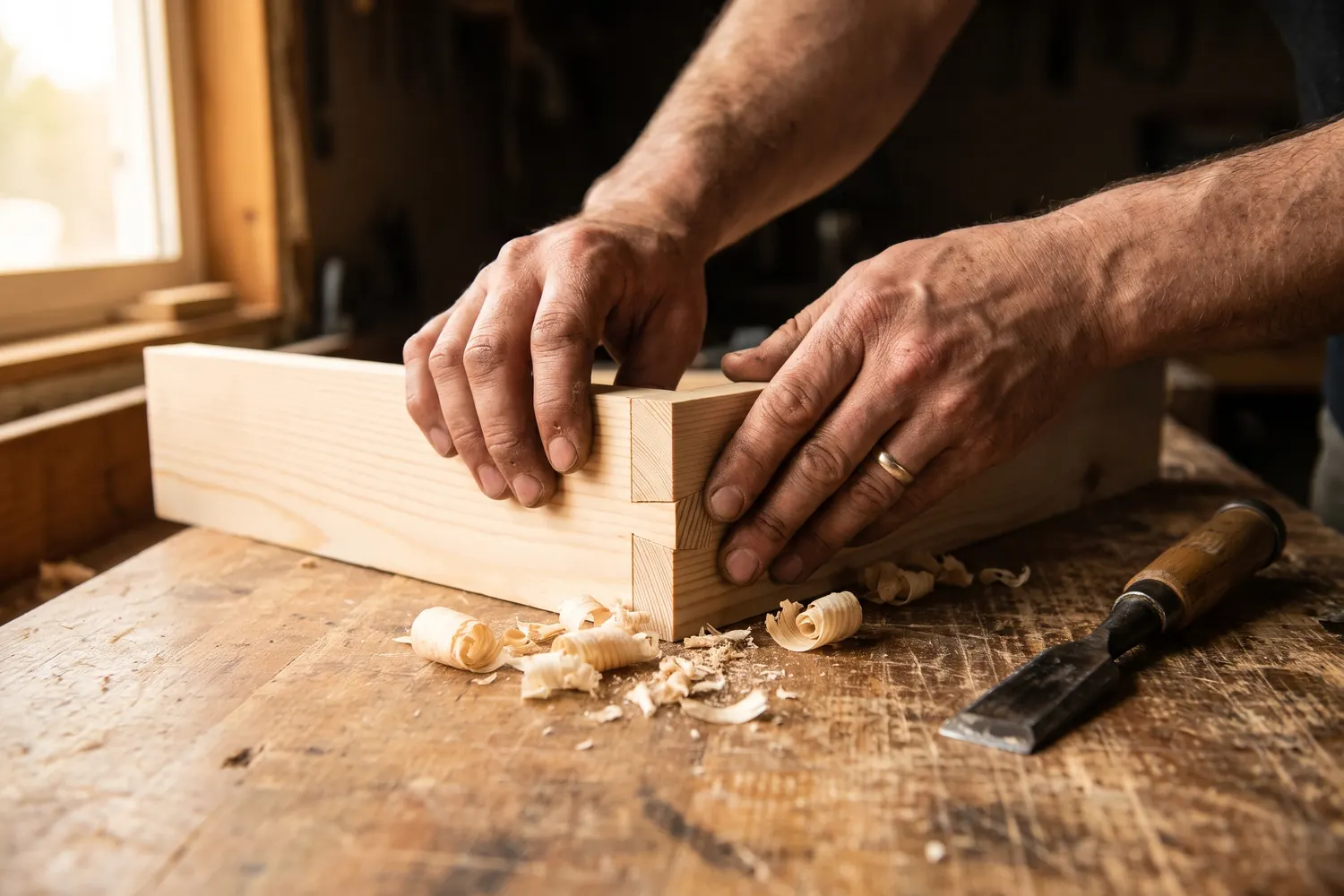
A class at the master’s bench, a piece made the master’s way, a technique taught to one apprentice. When you join a class or bring a piece home, the master is paid for their time and their work, and what they know reaches one more person.
Kept this way, a master’s judgment can teach whoever comes next: people first, and one day the machines that work beside them.
From the master’s hands to the next pair of hands, so the line carries on.
우리가 가려는 곳
「무엇」만이 아니라 「왜」를 남깁니다.
마스터볼트는 한 집안의 식혜에서 시작했습니다.
엿기름을 얼마나 넣느냐고 여쭤보면 「적당히」, 불은 언제 끄냐고 여쭤보면 「보면 안다」고 하십니다. 그 「보면 안다」는 어디에도 적혀 있지 않습니다. 누군가 배워 두지 않으면, 그 앎은 한 사람의 손에만 머뭅니다.
남는 것과 남지 않는 것
작품은 남습니다. 장은 집에, 한지는 벽에 남습니다. 그런데 그것을 만든 판단은 남지 않습니다. 왜 이 각도로 깎았는지, 왜 여기에 틈을 두었는지, 왜 지금 멈췄는지. 그 판단이야말로 장인이 평생에 걸쳐 익히신 것이고, 배우는 사람에게 가장 필요한 것입니다.
세계를 초대하는 이유
장인의 작업대에서 듣는 수업, 장인의 방식으로 만든 작품, 한 사람에게만 전하는 기술. 수업을 듣거나 작품을 들이시면, 장인은 시간과 작품에 대해 정당한 몫을 받으시고, 장인이 쌓아 오신 것이 한 사람에게 더 닿습니다.
이렇게 남긴 판단은 다음 세대가 배우는 바탕이 됩니다. 사람에게 먼저, 그리고 언젠가는 사람 곁에서 일할 기계에게도.
장인의 손에서 다음 사람의 손으로, 그 명맥이 이어지도록.